


Nigeria Records 20-Fold Increase in Private Capital Inflows as Oyedele Meets World Bank President
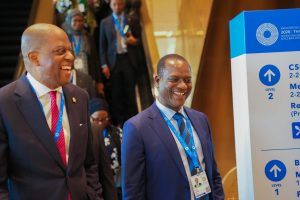
The President of the World Bank Group, Ajay Banga, has commended Nigeria’s economic reform progress, citing a significant increase in private capital inflows from about $300 million in 2023 to nearly $6 billion in 2026.
Banga made the commendation during a meeting with the Minister of Finance and Coordinating Minister of the Economy, Taiwo Oyedele, and the Governor of the Central Bank of Nigeria, Olayemi Cardoso, in Bangkok, Thailand.
The meeting was held on Monday, October 12, on the sidelines of the 2026 IMF and World Bank Group Annual Meetings, where Oyedele is leading Nigeria’s delegation.
The discussions centred on the next phase of Nigeria’s economic agenda, particularly efforts to transform macroeconomic stability into sustainable growth, attract more private investment and strengthen government revenue.
Oyedele highlighted the country’s improving economic performance, disclosing that Nigeria’s tax-to-GDP ratio had risen from approximately seven per cent to 12.5 per cent between 2023 and 2026.
He noted that the increase would provide the government with more resources to finance public investments without resorting to deficit monetisation.
The Nigerian delegation and the World Bank president also discussed ways to expand the use of World Bank guarantee instruments to unlock financing for infrastructure development and attract additional private capital into the country.
The meeting identified power infrastructure and human capital development as critical areas requiring sustained public investment to improve productivity, enhance business competitiveness and create jobs.
Participants further stressed the importance of ensuring that public funds are spent efficiently and generate tangible economic and social benefits.
The engagement is part of the Federal Government’s continued discussions with international development partners to consolidate the gains of ongoing reforms and mobilise investment for the Nigerian economy.
The government’s focus is now on converting improvements in economic stability and revenue generation into stronger growth, increased employment and improved living conditions for Nigerians.
