

Wike’s Plan to Redesign Abuja City Gate Draws Criticism Amid Economic Hardship
By Emman Usman Shehu
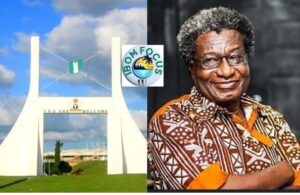

A proposed redesign of the iconic Abuja City Gate has ignited strong reactions from residents and stakeholders, many of whom describe the move as a misplaced priority amid pressing socio-economic and infrastructural challenges in the Federal Capital Territory (FCT).
The Minister of the FCT, Nyesom Wike, recently directed construction firm Julius Berger to undertake a makeover of the historic structure, located along the Airport Road. While the plan may be seen by some as an effort to modernise the capital’s image, critics argue that it reflects a troubling disconnect from the immediate needs of Abuja’s growing population.
For over four decades, the Abuja City Gate has stood as a symbolic entry point into Nigeria’s capital, representing unity, ambition, and the vision behind the creation of the FCT. Designed in the 1980s, the structure blends traditional Nigerian architectural influences with modern aesthetics, earning recognition both locally and internationally as a cultural and historical landmark.
However, many residents insist that the city’s challenges lie far beyond aesthetics. Across Abuja and its satellite towns—including Nyanya, Kubwa, and Gwagwalada—citizens grapple with deteriorating roads, inadequate healthcare facilities, unreliable water supply, and a transport system strained by congestion and poor planning.
Analysts argue that investment in mass transit systems, road rehabilitation, and public utilities would have a far greater impact on residents’ quality of life than a largely cosmetic redesign of the City Gate.
The timing of the project has also raised concerns. Nigeria continues to face economic pressures, including high inflation, rising unemployment, and increasing living costs. In Abuja, where expenses are already among the highest in the country, many residents say public funds should be directed toward initiatives that offer tangible relief.
There are also fears that construction work on the City Gate could disrupt traffic along the busy Airport Road, a major route linking the city to the Nnamdi Azikiwe International Airport. Such disruptions, stakeholders warn, could lead to economic losses and further inconvenience for commuters.
Beyond infrastructure concerns, the proposal has sparked broader questions about governance priorities. Critics contend that focusing on high-visibility projects risks overshadowing more critical but less glamorous interventions needed across the capital.
Despite the controversy, some acknowledge that development and modernisation are essential for a growing city like Abuja. However, they stress that such efforts must be strategic, inclusive, and aligned with the real needs of residents.
The Abuja City Gate has, over the years, evolved into more than just an architectural feature. From its role in national identity to its participation in global cultural events—such as its illumination during international celebrations—it has become a symbol of the capital’s heritage and global presence.
Observers warn that altering or replacing the structure without broad consultation could erode a piece of the city’s identity and history.
As the debate continues, many residents are calling on authorities to reconsider the project and redirect resources toward critical infrastructure, improved transportation systems, enhanced security, and affordable housing.
For them, the issue is not resistance to development, but a demand for priorities that reflect the realities of everyday life in Nigeria’s capital.
