

Anti-Corruption Fight: ICAN Seeks Deeper Collaboration with EFCC
The Institute of Chartered Accountants of Nigeria (ICAN) has commended the Executive Chairman of the Economic and Financial Crimes Commission (EFCC), Mr. Ola Olukoyede, for what it described as remarkable and impactful achievements in Nigeria’s ongoing fight against corruption.
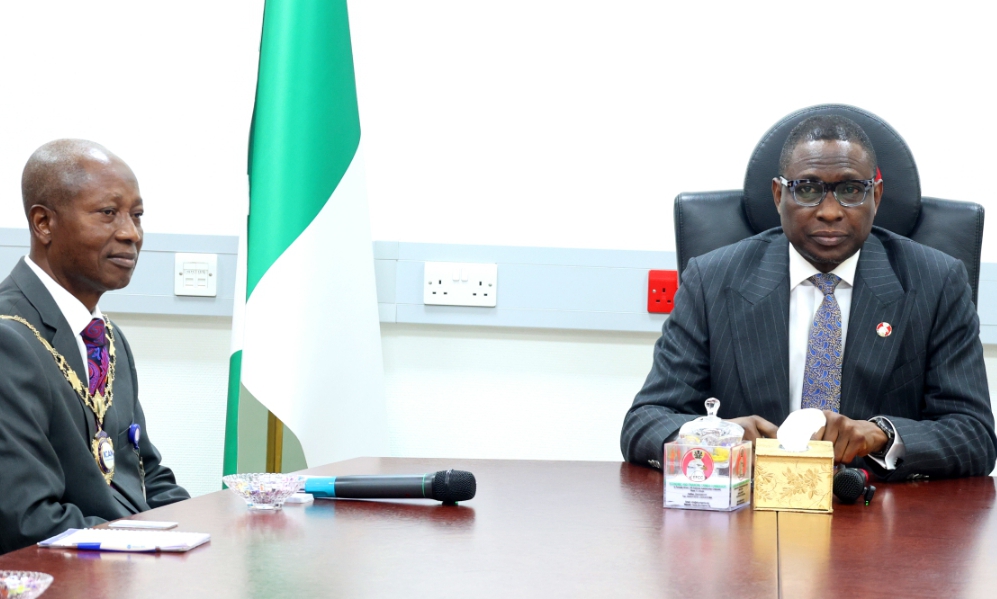
The commendation was given on Tuesday, February 10, 2026, in Abuja, when the President and Chairman of ICAN, Mr. Haruna Yahaya, led members of the Institute’s management team on a courtesy visit to the EFCC Chairman at the Commission’s corporate headquarters.
Yahaya praised Olukoyede for recording achievements that go beyond statistics to reflect renewed international confidence in Nigeria’s anti-corruption efforts. He cited unprecedented asset recoveries running into hundreds of billions of naira, including high-value properties, as well as thousands of convictions secured through diligent investigation and effective prosecution.
According to him, the EFCC’s enhanced international cooperation and strategic partnerships have significantly improved Nigeria’s global financial credibility and alignment with international anti-money laundering and counter-terrorism financing standards, culminating in Nigeria’s exit from the Financial Action Task Force (FATF) Grey List.
“This achievement sends a strong signal to citizens, investors, and the international community that accountability, professionalism, and integrity are once again central to Nigeria’s anti-corruption fight,” Yahaya said, applauding the EFCC Chairman’s courage, discipline, and clarity of purpose.
The ICAN President proposed six high-impact areas for collaboration between the Institute and the EFCC. These include forensic accounting and financial investigation; capacity building and specialised training; joint training programmes in forensic accounting, anti-money laundering compliance, data analytics, cryptocurrency investigations, and emerging fraud typologies.
Other proposed areas include expert witness and litigation support, public sector financial oversight and early warning systems, research and policy advisory support, as well as ethics, prevention, and public awareness initiatives.
Yahaya stressed that the fight against economic and financial crime is most effective when law enforcement agencies work closely with professional accountants, noting that corruption thrives where technical rigour, ethical discipline, and financial intelligence are absent.
In his response, Olukoyede welcomed the proposed collaboration, describing a strong working relationship with ICAN as imperative to the success of the EFCC’s mandate. He disclosed plans to set up a joint committee to define the framework and content of the partnership, which would culminate in the signing of a Memorandum of Understanding (MoU).
The EFCC Chairman emphasised the growing importance of forensic accounting in investigations and prosecutions, particularly in providing expert witnesses during trials.
However, Olukoyede expressed concern over the involvement of some members of the accounting profession in enabling financial crimes. He urged ICAN to undertake an internal rebirth and enforce stricter professional discipline, citing instances where chartered accountants were implicated in major corruption cases, including pension fraud and the recent case involving a former Accountant-General of the Federation.
He disclosed that some convicted or indicted accountants had continued to practise without facing sanctions from their professional body, describing the situation as unacceptable. Olukoyede said addressing such ethical lapses would form a critical part of the proposed collaboration, stressing the need to identify, sanction, and discourage bad actors within the profession.
