
 Ibom Focus
Museveni Seeks Seventh Term As Uganda Faces Succession Uncertainty
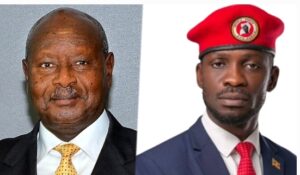
Uganda’s long-serving president, Yoweri Museveni, is seeking a seventh term in office, extending his nearly four decades in power, as the country heads into a closely watched presidential election with pop star-turned-politician Bobi Wine as his main challenger.
Museveni, 81, first took power in 1986 after leading a rebel movement that overthrew a military government. At the time, he famously declared that Africa’s problem was leaders who overstayed in power. Today, the veteran leader is the only president most Ugandans have ever known.
Political analysts say Museveni’s victory is widely expected, but the election is overshadowed by growing questions about succession, particularly as the president shows signs of age and frailty. Attention has increasingly focused on his son, Muhoozi Kainerugaba, the 51-year-old commander of Uganda’s armed forces, whose rapid rise has fueled speculation about a dynastic handover.
Opposition figures accuse Museveni of positioning his son as a successor, sidelining veteran politicians who once fought alongside him during the bush war. Muhoozi’s frequent and sometimes controversial statements on social media have added to the debate over Uganda’s political future.
“This election is less about the announced results and more about the mood on the ground,” said former newspaper editor Charles Onyango-Obbo, noting that a leadership transition may still be years away. “Museveni is more frail now, but he is a workaholic. He will not leave even if he needs a walking stick.”
Museveni’s main rival, Bobi Wine, 43, rose to prominence as a popular musician before entering politics and galvanising Uganda’s youth. Despite his popularity, analysts say the entrenched power of the ruling National Resistance Movement makes an opposition victory unlikely.
Museveni initially came to power on a wave of optimism, winning praise at home and abroad for restoring stability, attracting foreign investment and tackling the HIV/AIDS epidemic. His government also defeated the Lord’s Resistance Army insurgency, which terrorised northern Uganda for nearly two decades.
However, that early goodwill was gradually eroded by allegations of corruption and authoritarianism. Critics say graft has been central to Museveni’s rule, hollowing out state institutions and public services. According to UNICEF, only one in four Ugandan children who start primary school go on to secondary education, while unemployment and underemployment remain widespread.
Museveni acknowledges corruption among some officials but says those responsible have been prosecuted.
He has also positioned Uganda as a key regional security partner for Western powers, deploying peacekeepers to Somalia and South Sudan and hosting large numbers of refugees. Over the years, Museveni has won all six presidential elections he has contested. In 2005, parliament removed presidential term limits, a move critics said was designed to keep him in power indefinitely. Opposition candidates have repeatedly rejected election results, alleging fraud and intimidation, claims the government denies.
Museveni has often brushed off Western criticism, while strengthening ties with countries such as China, Russia, Iran and the United Arab Emirates. The discovery of significant oil reserves has further bolstered his standing, leading to major deals with international energy companies.
As Ugandans vote once again, the outcome is unlikely to unseat Museveni, but it may shape how—and when—Africa’s fifth-longest-ruling leader eventually exits the political stage.


sap on cloud [url=https://otvetnow.ru]https://otvetnow.ru[/url] mortgage masters inc