 Ibom Focus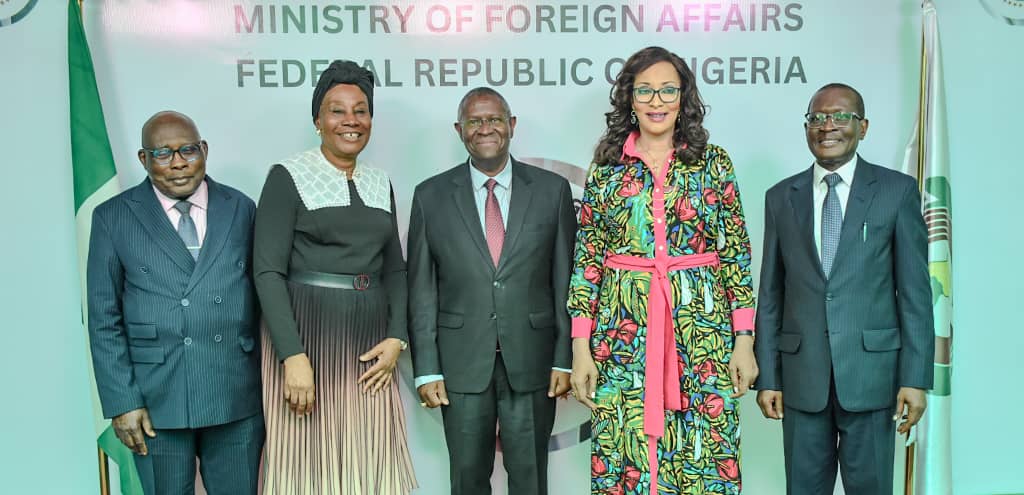
Nigeria Rolls Out 2026 Foreign Policy Agenda, Prioritises Strategic Autonomy And Regional Stability
The Federal Government has unveiled Nigeria’s foreign policy roadmap for 2026, placing strong emphasis on strategic autonomy, regional stability, and responsible global partnerships.
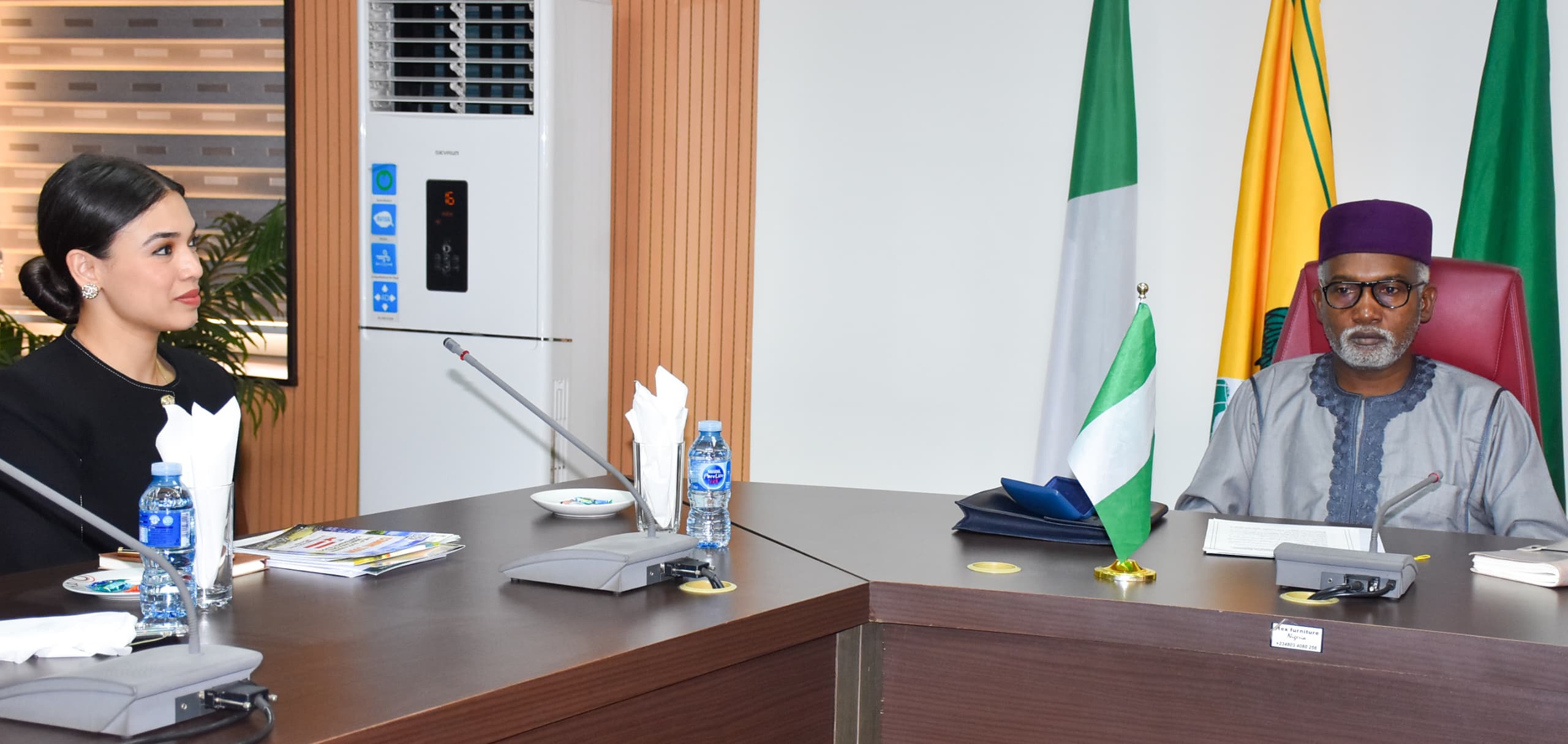
Speaking at the 2026 New Year Diplomatic Reception in Abuja, the Minister of Foreign Affairs, Ambassador Yusuf Maitama Tuggar, said Nigeria is prepared to navigate an increasingly complex and fragmented global environment through dialogue, cooperation, and principled engagement rather than confrontation.
Diplomatic Reforms to Boost Efficiency
As part of efforts to streamline diplomatic processes, the Minister announced adjustments to protocol procedures. Ambassadors-designate will now be permitted to begin official duties immediately after presenting copies of their letters of credence to the Chief of Protocol. This reform allows envoys to commence work without waiting for formal presentation to the President or Vice President, although such meetings remain mandatory for high-level state functions.
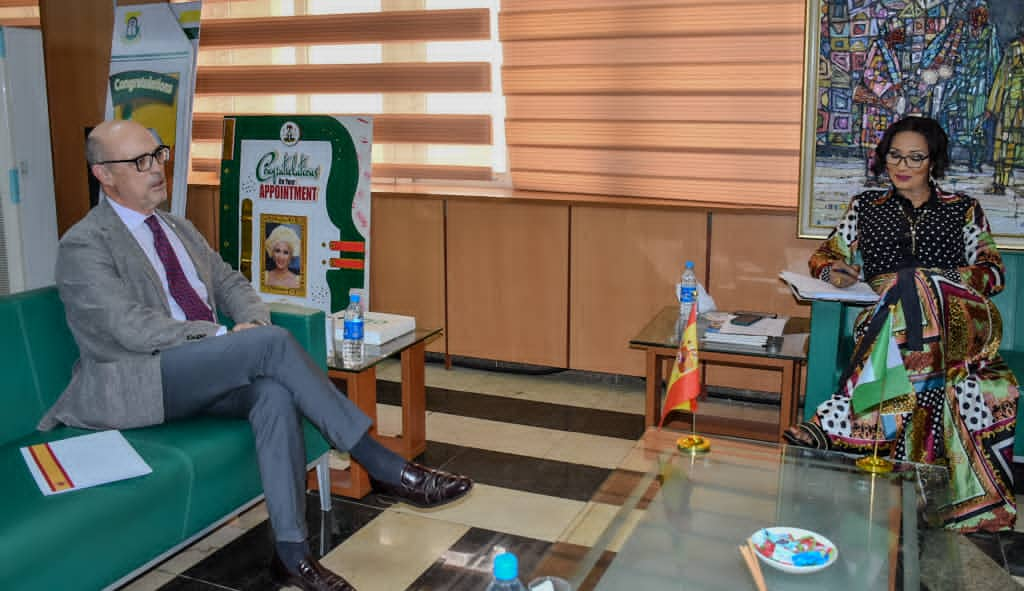
During the reception, Tuggar welcomed newly accredited envoys from Qatar, Lebanon, Namibia, Sudan, and Saudi Arabia. He also reminded members of the diplomatic corps that the Ministry of Foreign Affairs remains the sole official communication channel with the Federal Government, stressing the need for institutional clarity and coordination.
Sahel Security and Democratic Governance
Addressing regional security concerns, the Minister described the Sahel as a priority focus area for 2026, warning that renewed terrorist activity threatens economic stability and investor confidence across West Africa.
He called for a strengthening and recalibration of existing security frameworks, particularly the Multinational Joint Task Force (MNJTF), to effectively tackle emerging threats.
Nigeria, he added, will continue to lead the Regional Partnership for Democracy (RPD), aimed at promoting electoral integrity and inclusive governance across the region.
“Democratic resilience must be proactive, not reactive,” Tuggar stated, urging international partners to support the initiative.
Economic Diplomacy and Investment Drive
Highlighting economic reforms, the Minister said Nigeria’s economy has “turned a corner,” pointing to the unification of the foreign exchange regime and updated tax policies as signs of improved policy coherence.
He noted that Nigeria intends to position itself as a leading destination for global investment in 2026, balancing stronger ties within the Global South while maintaining strategic relationships with partners in Europe, North America, and Asia.
Multilateral Engagement and Global Aspirations
As Nigeria enters a new electoral cycle following the release of the Independent National Electoral Commission (INEC) timetable, the government expressed openness to continued international collaboration in electoral observation and capacity building.
On the multilateral front, Nigeria is seeking support for several international positions, including:
A non-permanent seat on the United Nations Security Council for 2030
Membership of the Human Rights Council
A seat on the World Heritage Committee (2029)
The Committee on the Elimination of Discrimination Against Women
Concluding his remarks, Ambassador Tuggar reaffirmed Nigeria’s commitment to a rules-based international order, describing the country as a “confident, constructive, and stabilising partner” in global affairs for the year ahead.
If you want, I can also provide multiple headline options tailored for online publication (SEO-driven, punchy, or diplomatic tone).