


Guinea PM Urges West African Countries to Prioritise Regional Electricity Cooperation Over Isolation
The Prime Minister of Guinea, Amadou Oury Bah, has called on West African countries to prioritise regional electricity cooperation and integration rather than operate independently, stressing the need for a stronger and more reliable regional power network.
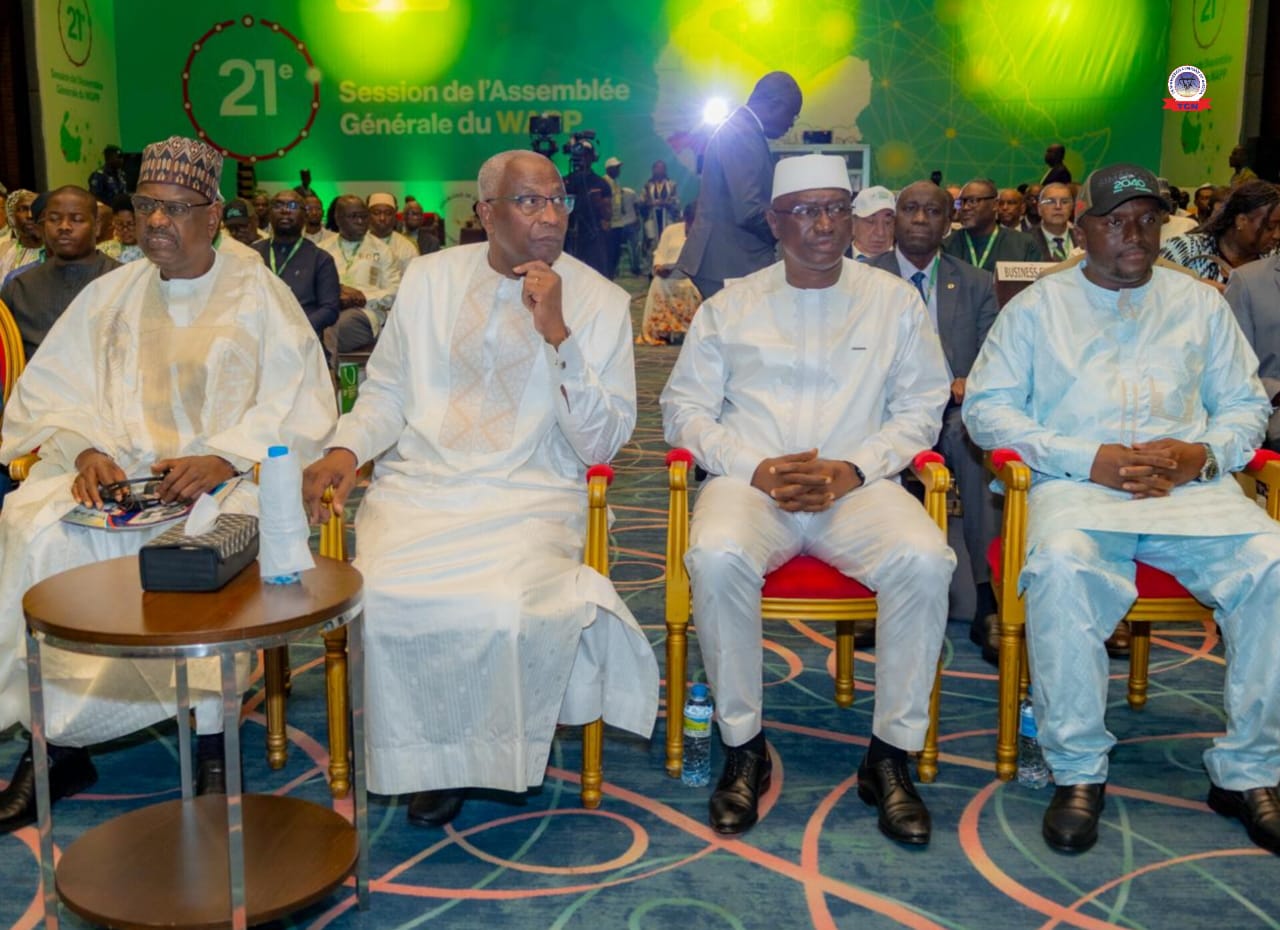
Bah made the call while officially opening the 21st General Assembly of the West African Power Pool (WAPP) in Conakry, Guinea, where Energy Ministers, electricity utility executives, independent power producers and international partners from the sub-region gathered.
Representing President Mamadi Doumbouya, the Prime Minister reaffirmed Guinea’s commitment to building a united West African energy market anchored on shared standards, cooperation and improved electricity supply.
He described energy as a critical foundation for national sovereignty, economic competitiveness, social development and stability, noting that the interconnection of the 15 West African countries demonstrates the importance of collective action.
Bah highlighted Guinea’s strategic position in regional electricity generation, citing major hydropower projects such as Kaleta and Souapiti, alongside upcoming projects including Koukoutamba, Sambangalou and Amaria.
According to him, these projects will strengthen Guinea’s capacity to supply electricity to neighbouring countries and support regional energy integration.
The Minister of Energy, Laye Sékou Camara, said the General Assembly should produce concrete decisions capable of strengthening WAPP’s governance, improving institutional performance and translating existing commitments into measurable results.
He emphasised that regional electricity cooperation must go alongside efforts to improve national electricity access, adding that installed generation capacity alone does not guarantee reliable supply without adequate transmission infrastructure.
He also recalled how Guinea benefited from electricity support from Senegal following the fire at the Coronthie depot in December 2023, describing regional interconnection as a form of mutual protection among countries.
Speaking at the gathering, WAPP Executive Board Chairman, Engr. Sule Ahmed Abdulaziz, announced that the second phase of the regional electricity market is expected to commence in early 2027.
He explained that the new phase would introduce a day-ahead electricity market, allowing prices for electricity traded between countries to be determined by supply and demand under a transparent and competitive system.
Abdulaziz said the development would mark a major milestone after two decades of investment in transmission infrastructure, common regulations and regional institutions.
He also disclosed that ongoing institutional reforms would establish an independent system and market operator to guarantee fairness, transparency and operational efficiency.
Meanwhile, WAPP Secretary General, Abdoulaye Dia, described the successful synchronisation of the electricity networks of all 15 West African countries as a major achievement.
He recalled that the region recorded four hours and five minutes of synchronisation on November 8, 2025, while another test scheduled for November 2026 is targeting 48 hours of continuous synchronisation as part of preparations for permanent regional integration.
Dia also highlighted progress in developing a regional electricity tariff framework, following decisions adopted in 2026 by the ECOWAS Regional Electricity Regulatory Authority.
The Director General of Electricité de Guinée, El Hadji Gando Barry, also called for stronger cooperation among WAPP members to ensure reliable, affordable and sustainable electricity across the region.
At the end of the General Assembly, 17 Transmission System Operators signed the Inter-grid Operators Agreement, an important step towards strengthening coordinated operations across the regional electricity network.
The meeting reaffirmed the commitment of West African countries to developing a functional regional electricity market, with Guinea positioning itself as a major energy hub capable of supporting the sub-region’s growing electricity needs.
