


Paraguayan President Resigns As Ueno Bank Collapse Sparks Impeachment Move
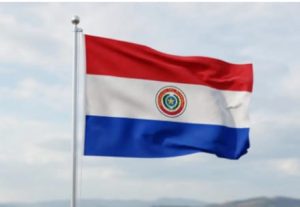
Paraguayan President Santiago Peña has announced his resignation amid mounting political pressure following the collapse of Ueno Bank, a major digital lender whose financial crisis left millions of customers unable to access their money.

Peña announced his decision on Thursday, November 5, in a video message shared on social media, saying he was stepping down in the interest of national stability, social peace and the protection of democratic institutions.
“I have made the decision to submit my resignation from the Presidency of the Republic. I do so with the stability of our country, social peace, and the need to preserve our public institutions in mind,” he stated.
He also apologised to Paraguayans, expressing concern over the plight of customers whose savings were trapped following the bank’s collapse.
His resignation came as lawmakers intensified efforts to remove him from office over allegations of misconduct, conflicts of interest and the alleged mishandling of public funds linked to the troubled financial institution.
The crisis escalated after opposition lawmakers and members of Peña’s ruling party accused him of serious dereliction of duty and called for his impeachment.
Despite his resignation announcement, Paraguay’s Chamber of Deputies unanimously approved impeachment proceedings against him, with 78 lawmakers voting in favour. The matter was subsequently referred to the Senate for further consideration.
Some lawmakers have opposed allowing Peña to leave office through resignation, arguing that doing so could shield him from certain legal consequences and allow him to retain special constitutional protections.
Senator Yolanda Paredes was among those demanding that the former president face criminal prosecution.
The controversy erupted after Paraguay’s Central Bank intervened in Ueno Bank over serious concerns about its financial health, including alleged violations of lending regulations and irregularities involving related companies.
Regulators reportedly discovered that the bank’s solvency ratio had fallen below 50 per cent of the legally required minimum following adjustments to its financial statements.
Ueno Bank reportedly served approximately 2.9 million customers in a country with a population of about 6.1 million, making the crisis particularly significant for the South American nation.
The institution also received substantial deposits from public agencies, including the Social Security Institute, which manages pension contributions for most Paraguayan workers.
Peña’s previous financial connections to the group associated with the bank, alongside the public funds deposited there during his administration, became central to allegations against his government.
The bank’s intervention triggered public anxiety, protests and long queues at financial institutions as affected customers struggled to regain access to their savings.
Peña assumed office in August 2023 for a five-year term. Before becoming president, he served as Paraguay’s finance minister between 2015 and 2017 under former President Horacio Cartes and also worked at the country’s Central Bank.
His resignation has plunged Paraguay into a major political crisis, with lawmakers and prosecutors continuing to examine the circumstances surrounding the bank’s collapse.
