


FG Plans New System to Lift Vulnerable Nigerians Out of Poverty — Doro
The Federal Government is developing a coordinated humanitarian and poverty reduction system aimed at lifting vulnerable Nigerians out of poverty, reducing social crises and empowering beneficiaries to become productive contributors to the national economy.
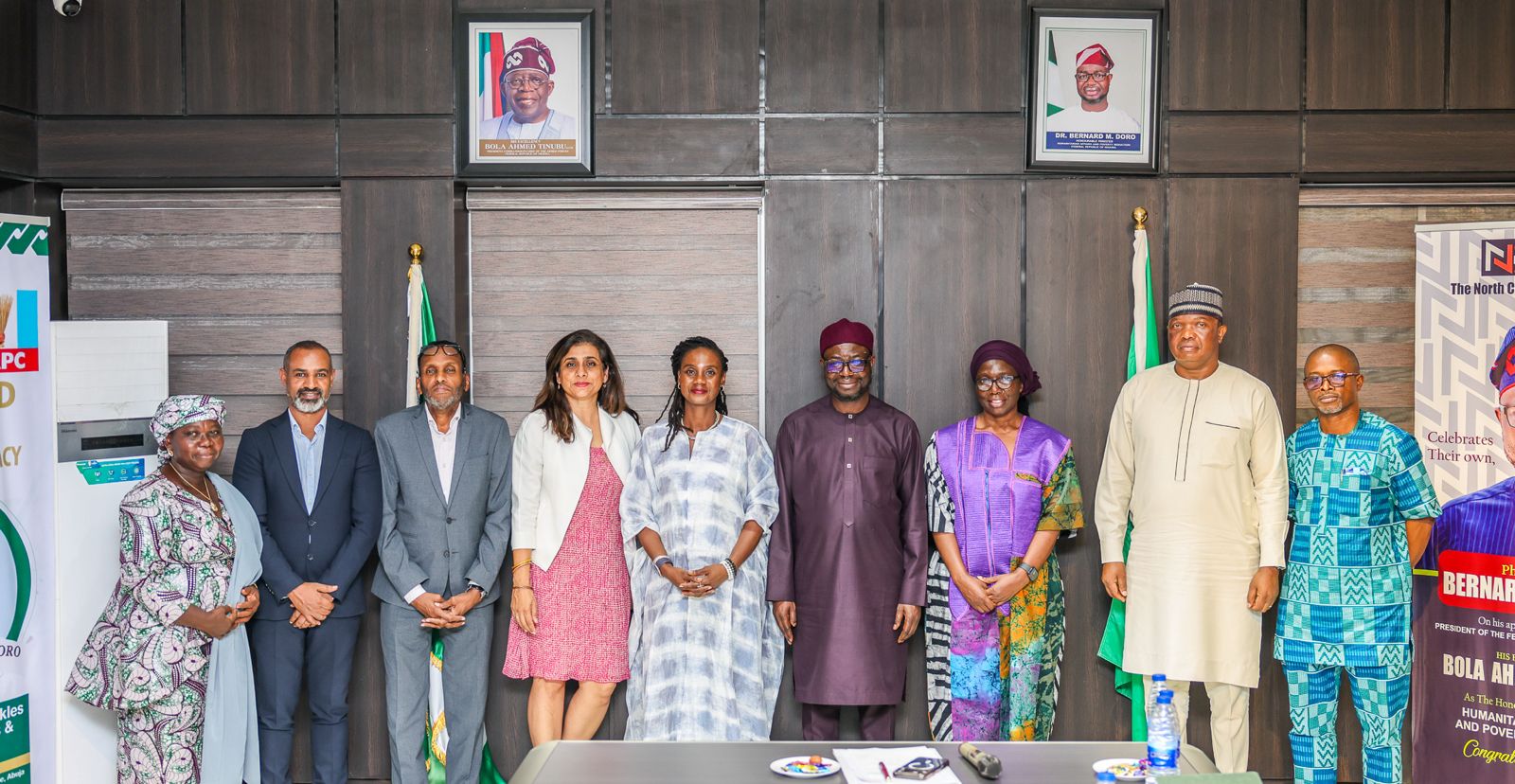
The Minister of Humanitarian Affairs and Poverty Reduction, Dr. Bernard M. Doro, disclosed this on Monday, October 26, 2026, when a delegation from the International Organization for Migration (IOM) Nigeria, led by its Regional Director for West and Central Africa, Ms. Sylvia Ekra, paid him a courtesy visit in his office.

Doro said the ministry was reforming Nigeria’s humanitarian landscape to ensure that vulnerable individuals received coordinated support that would help them achieve stability and become economically self-reliant.
He commended President Bola Ahmed Tinubu for the Renewed Hope Agenda, noting that the administration’s commitment to poverty reduction was driving the ministry’s efforts to fulfil its mandate.
The minister disclosed that the One Humanitarian, One Poverty Reduction System (OHOPRS) was awaiting approval by the Federal Executive Council (FEC).
According to him, the initiative is designed to connect humanitarian assistance with social protection and poverty reduction programmes, providing beneficiaries with a clear pathway from receiving support to achieving economic independence.
He explained that OHOPRS would coordinate interventions across federal and subnational governments to improve collaboration, eliminate duplication and deliver better results.
Doro added that the ministry was developing 20 models to identify vulnerable populations and guide them through structured interventions towards stability and self-reliance.
On education and skills development, the minister revealed that the government planned to train 12,000 out-of-school children using specialised learning methods tailored to their needs.
He explained that some of the children might have outgrown the conventional school-learning stage, making alternative training approaches necessary to equip them with relevant skills.
According to him, the beneficiaries would receive certification for specific jobs after completing their training, enabling them to contribute meaningfully to the economy.
The programme is estimated to cost $20 million, while four foundations have already expressed interest in supporting its implementation.
The minister also called on Nigerians in the diaspora to partner with the ministry in its efforts to reduce poverty and improve the welfare of vulnerable citizens.
He advocated the establishment of a National Economic Trust Fund, urging the Federal Government, development partners and philanthropists to pool resources to support humanitarian interventions and poverty reduction initiatives.
Doro commended IOM for its contributions to humanitarian services in Nigeria and congratulated the organisation on its achievements over the past 25 years.
He expressed optimism that the next 25 years of collaboration between IOM and the ministry would deliver greater benefits to vulnerable populations.
Earlier, Ekra said IOM’s progress in Nigeria had been made possible through its cordial partnership with the Nigerian government and people, particularly the Ministry of Humanitarian Affairs and Poverty Reduction.
She commended the minister’s vision and leadership, expressing the organisation’s readiness to support the implementation of the OHOPRS programme and contribute to the proposed humanitarian trust fund.
